How Your Smartphone Became the Most Powerful Hearing Device in Your Pocket

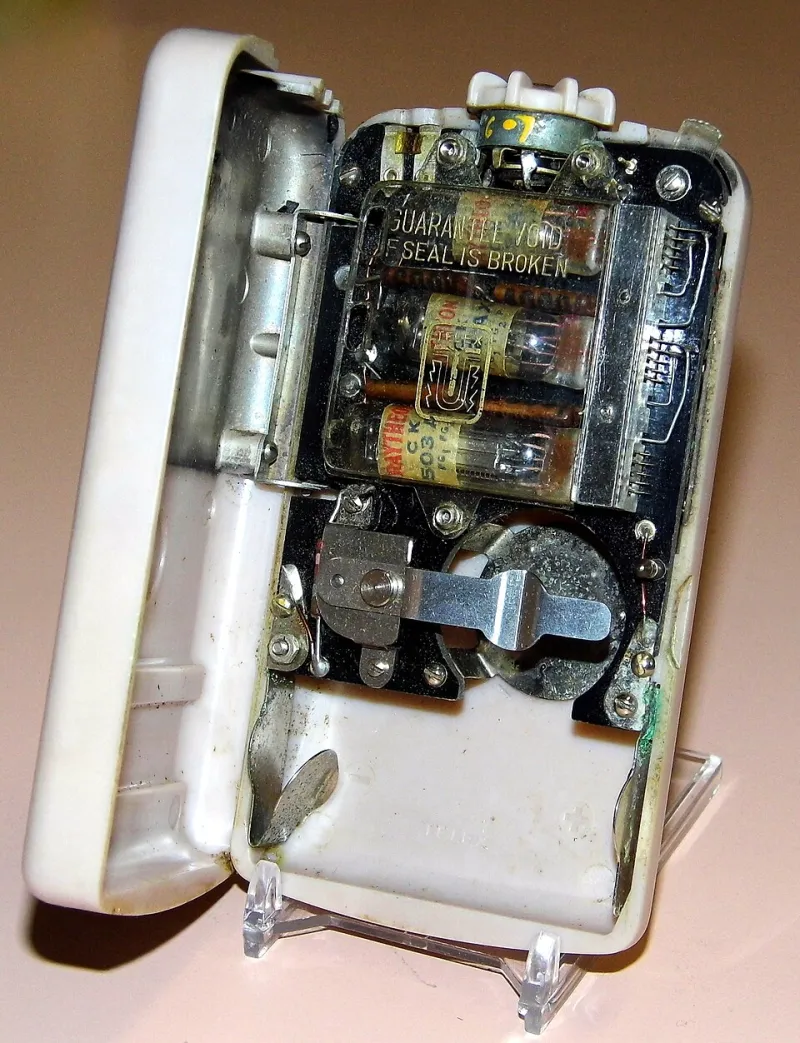
Photo: Shai-WMIL for WMIL, CC BY-SA 4.0, via Wikimedia Commons
Not long ago, adjusting a hearing aid meant a trip to an audiologist's office, a tiny screwdriver, and a fair amount of patience. Today, that same adjustment can happen in seconds—silently, discreetly, and from the palm of your hand—while you stand in the middle of a crowded restaurant or navigate a noisy family gathering. The smartphone has become, for many hearing aid users across the United States, an indispensable partner in the management of their auditory health.
This is not a minor upgrade. It represents a fundamental shift in how hearing technology is designed, delivered, and experienced by the people who rely on it most.
The Wireless Connection Changing Everything
At the core of this transformation is Bluetooth connectivity. Most premium and mid-range hearing aids now support Bluetooth Low Energy (BLE) protocols, allowing them to pair seamlessly with iOS and Android devices. Once connected, a user's hearing aids become extensions of their phone—streaming audio directly from calls, music, podcasts, and navigation apps with a clarity that traditional speaker output simply cannot match.
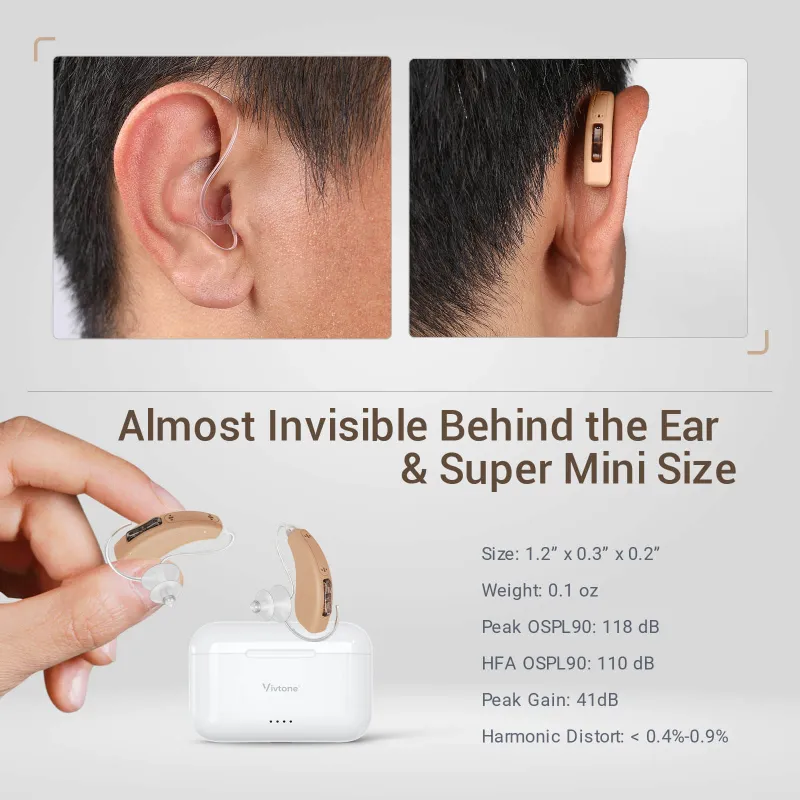
But streaming audio is only the beginning. Companion apps developed by leading hearing aid manufacturers allow wearers to make granular adjustments to their listening experience in real time. Increase the bass during a phone call with your grandchildren. Reduce background noise when dining out at a busy Chicago bistro. Emphasize speech frequencies during a work presentation in a large conference room. These are not hypothetical features—they are available right now, on devices that fit discreetly behind or inside the ear.
For many users, particularly those in their 50s, 60s, and beyond, this level of control was previously unimaginable. The ability to personalize sound without drawing attention to one's hearing aids has been a significant factor in driving adoption among Americans who previously resisted wearing them.
AI-Powered Listening: Smarter Than a Volume Knob
What separates today's smartphone-integrated hearing aids from earlier Bluetooth-enabled models is the intelligence built into both the device and the app. Artificial intelligence now plays a central role in how modern hearing aids interpret and respond to acoustic environments.
Some systems use machine learning algorithms to analyze the surrounding soundscape dozens of times per second, automatically distinguishing between speech, music, wind, traffic, and crowd noise. The hearing aid then applies the appropriate processing profile without any user input. Over time, certain platforms learn from a wearer's manual adjustments, gradually refining automatic settings to better match individual preferences.
Smartphone apps serve as the control interface for these intelligent systems. Through a clean, intuitive dashboard, users can view their hearing environment classification, override automatic settings, and save custom programs for specific locations—their favorite coffee shop, their place of worship, their home living room. Some apps even use GPS data to automatically switch to a saved profile when the user arrives at a tagged location.
This kind of adaptive, location-aware hearing management was the domain of science fiction a decade ago. It is now a standard feature tier offered by multiple manufacturers competing for the American hearing aid market.
Beyond Sound: Health Monitoring Built Into Your Ears
The integration between hearing aids and smartphones has expanded well beyond audio management. A growing number of devices now incorporate sensors capable of tracking physiological data, turning hearing aids into a form of wearable health technology.
Fall detection is among the most clinically significant of these features. Given that adults with hearing loss face a statistically elevated risk of falls—partly due to the cognitive load associated with straining to hear—the inclusion of accelerometer-based fall detection in hearing aids addresses a genuine public health concern. When a fall is detected, certain devices can automatically send an alert to a designated contact via the companion smartphone app, providing a critical safety net for users who live alone or spend time in environments where a fall could go unnoticed.
Beyond fall detection, some platforms track daily step counts, active listening hours, and even social engagement metrics—how much time a user spends in conversation-rich environments. This data, accessible through the smartphone app, can be shared with audiologists during telehealth appointments, enabling more informed, data-driven care decisions without requiring the patient to travel to a clinic.
For Americans managing multiple health conditions alongside hearing loss, this consolidation of health data into a single, familiar device ecosystem is both practical and empowering.
Telehealth and Remote Fine-Tuning: The Audiologist in Your App
One of the most consequential developments in smartphone-integrated hearing care is the rise of remote programming. Through secure connections between a patient's hearing aids, smartphone, and an audiologist's software platform, hearing care professionals can now adjust device settings from anywhere in the country.
This capability has particular relevance for Americans in rural communities, where access to audiology practices can be limited by geography. Rather than driving two hours to a clinic for a minor programming tweak, a patient in rural Montana or rural Mississippi can connect with their provider via a telehealth session, have their devices adjusted remotely, and experience the change in real time—all without leaving home.
Remote fine-tuning also reduces the friction associated with follow-up care, which has historically been one of the barriers to consistent hearing aid use. When adjustments are easy and accessible, users are more likely to seek them out, leading to better device satisfaction and improved hearing outcomes over time.
What to Look for When Choosing a Connected Hearing Aid
For those considering smartphone-integrated hearing aids, several factors merit careful evaluation. Compatibility with your specific smartphone model and operating system is a foundational consideration—not all hearing aids work equally well with both iOS and Android platforms. Battery life is another practical concern, as Bluetooth streaming can accelerate power consumption in devices using standard zinc-air batteries, though rechargeable options have largely mitigated this issue.
The quality and usability of the companion app itself is worth scrutiny. A powerful hearing aid paired with a confusing or unreliable app diminishes the value of the integration. Reading user reviews and, where possible, requesting a demonstration period before committing to a device is advisable.
Finally, consider the ecosystem of features that matter most to your lifestyle. A frequent traveler may prioritize automatic environment detection. An older adult living independently may place greater value on fall detection and emergency alerts. A professional who spends hours on calls may find seamless phone streaming to be the decisive feature.
The technology exists to serve your life—not the other way around. Understanding what you need from your hearing aids is the first step toward finding a smartphone integration that genuinely enhances the way you hear the world.