Connected Everything, Except Your Hearing Aids: The Compatibility Problem No One Is Fixing
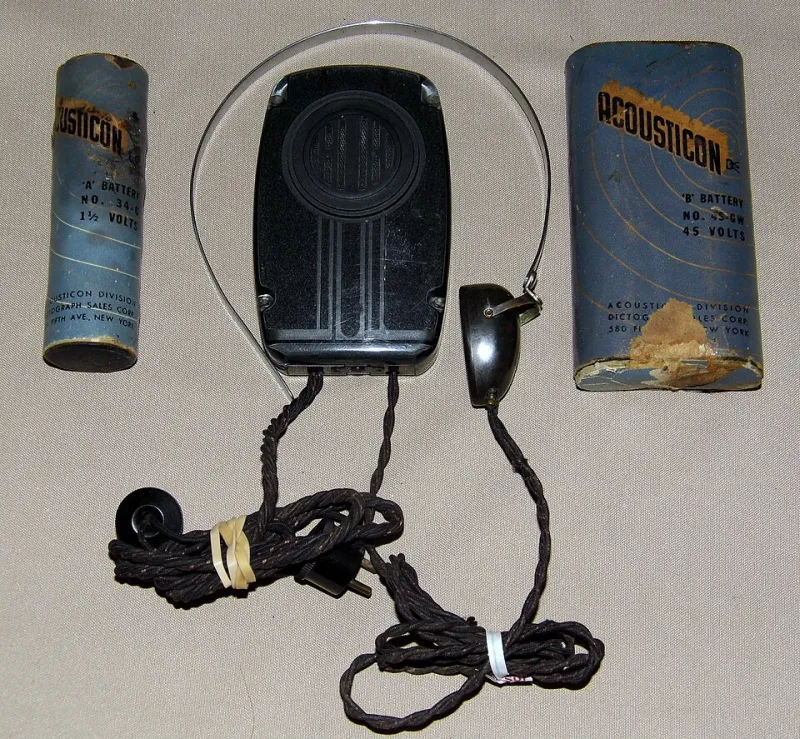
Photo: Joe Haupt from USA, CC BY-SA 2.0, via Wikimedia Commons
Consider a scenario that is increasingly common across American households. A person invests in a premium pair of hearing aids—devices that cost anywhere from $1,500 to $7,000—only to discover that their new smart TV, their partner's wireless speaker, or the Bluetooth headset required for remote work will not pair reliably with those devices. The technology is supposed to be advanced. The frustration, however, is decidedly old-fashioned.
This is not an isolated complaint. It is a structural problem embedded in the way consumer electronics manufacturers and hearing aid companies have historically developed their products in parallel rather than in coordination. The result is a fragmented ecosystem that disproportionately affects the more than 48 million Americans who live with some degree of hearing loss.
What Compatibility Actually Means—and What It Does Not
When a consumer electronics product advertises Bluetooth compatibility, most buyers assume that means it will work with virtually any Bluetooth-enabled device. For hearing aid users, that assumption frequently breaks down.
Hearing aids do not use standard Bluetooth Classic, the protocol found in most headphones and speakers. Many devices instead rely on Bluetooth Low Energy (BLE), a variant designed to conserve battery power—critical for small, all-day-worn medical devices. While BLE is efficient, it communicates differently than the Bluetooth stack built into the majority of consumer audio products. The result is that a hearing aid and a popular wireless speaker may technically both carry Bluetooth labels while remaining fundamentally unable to speak the same audio language.
Apple addressed this problem years ago by developing the Made for iPhone (MFi) hearing aid standard, which allows compatible hearing aids to stream audio directly from iPhones, iPads, and select Apple products. Google followed with Audio Streaming for Hearing Aids (ASHA), a protocol integrated into Android. Both represent genuine progress. Both also reveal the limits of a solution built around a single platform: users who switch operating systems, or who rely on devices outside those ecosystems, often find themselves back at square one.
The Smart Home Blind Spot
The proliferation of smart home devices has added another layer of complexity. Amazon Echo, Google Nest, and Apple HomePod products are now fixtures in tens of millions of American homes. For hearing aid users, these devices present a particular paradox: they are designed to make audio more accessible, yet connecting them directly to hearing aids in any meaningful way remains cumbersome or impossible for most product combinations.
Consider a hearing aid user trying to stream audio from an Echo device. Without a compatible intermediary—a phone, a streaming accessory, or a specific TV connector dongle sold separately by the hearing aid manufacturer—direct audio routing is generally not available. The user is left choosing between removing their hearing aids and using the smart speaker with standard hearing, or adding yet another device to a chain that was supposed to simplify daily life.
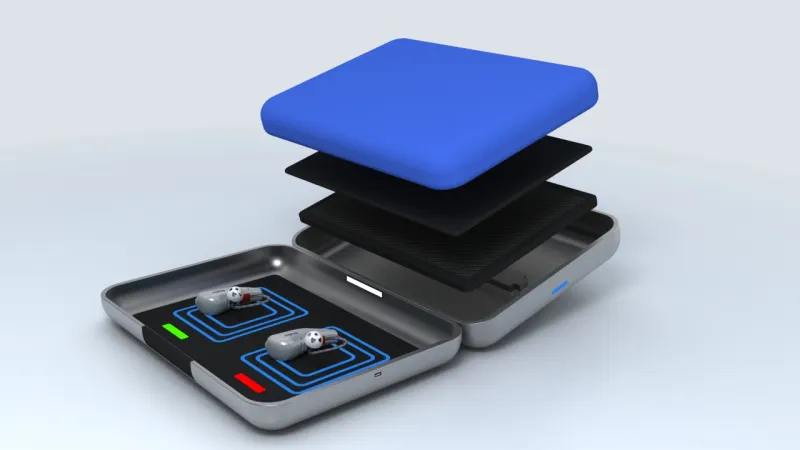
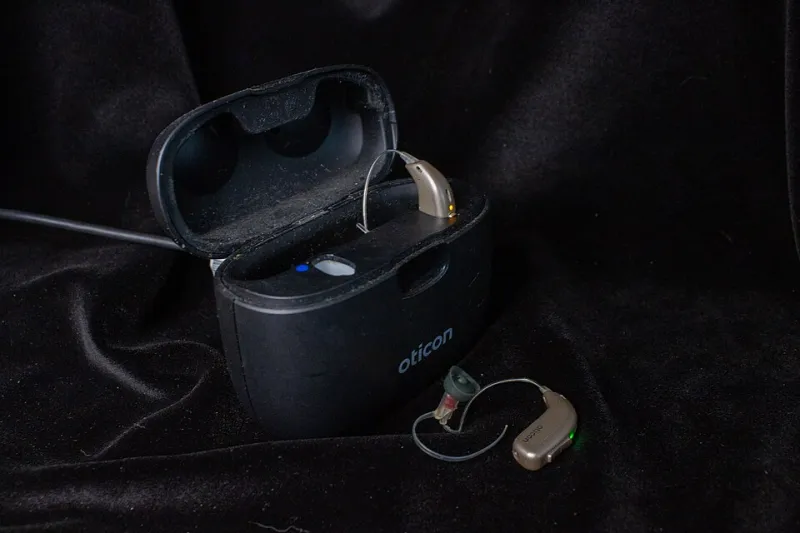
Hearing aid manufacturers have responded by developing proprietary streaming accessories. These clip-on or table-top transmitters bridge the gap between audio sources and hearing aids—but they add cost, require charging, and introduce additional points of failure. For a population that skews older and may have limited patience for troubleshooting device stacks, this is not a trivial burden.
Telecoil Technology: An Underutilized Lifeline
Lost in the conversation about wireless connectivity is a technology that has existed for decades and remains remarkably effective: the telecoil, or T-coil. Built into many hearing aids and cochlear implant processors, a telecoil picks up magnetic signals broadcast by hearing loop systems installed in public venues—theaters, airports, houses of worship, and bank teller windows.
The United States lags significantly behind countries like the United Kingdom and Scandinavia in hearing loop infrastructure, but domestic deployment has been growing. The Americans with Disabilities Act (ADA) provides some framework for hearing loop installation in new or renovated facilities, and advocacy organizations such as the Hearing Loss Association of America (HLAA) actively promote loop installation nationwide.
For hearing aid users frustrated by Bluetooth fragmentation, asking whether a venue has a hearing loop—or whether a newly purchased hearing aid includes a T-coil—is a practical step that often goes overlooked. The technology is not glamorous, but it is interoperable in a way that proprietary wireless protocols are not.
The FCC's Role and Where It Falls Short
The Federal Communications Commission (FCC) maintains hearing aid compatibility (HAC) standards that apply to wireless handsets sold in the United States. Phones are rated on two scales: the M rating (for microphone compatibility, reducing radio frequency interference) and the T rating (for telecoil compatibility). Manufacturers must meet minimum thresholds and disclose these ratings.
However, these standards apply specifically to cellular handsets and do not extend to the broader consumer electronics landscape—smart speakers, wireless earbuds, streaming devices, or computers. The regulatory framework has not kept pace with the diversification of audio technology, leaving a substantial portion of the connected home entirely outside the scope of hearing aid compatibility requirements.
Industry observers and advocacy groups have called for expanded FCC oversight, as well as voluntary commitments from major consumer electronics brands to test and certify their products for hearing aid compatibility. Progress has been slow. In the absence of regulatory pressure or meaningful market incentives, most manufacturers have little reason to prioritize a user population that, despite its size, has not historically organized as a purchasing bloc.
Practical Steps for Hearing Aid Users Today
While systemic change remains elusive, there are concrete strategies that can improve the connected experience for hearing aid users right now.
Verify your hearing aid's Bluetooth profile before purchasing consumer electronics. Ask your audiologist or hearing care professional specifically which streaming protocols your devices support—MFi, ASHA, or proprietary—and purchase audio products accordingly.
Invest in a manufacturer-supplied streaming accessory if direct pairing is not available. While these add cost, they are generally more reliable than attempting to force compatibility through third-party workarounds.
Check for T-coil capability in your hearing aids. If your devices include a telecoil, enable it and familiarize yourself with hearing loop locations in your community. The HLAA maintains a searchable directory of looped venues across the country.
Provide feedback to consumer electronics brands directly. Product reviews, customer service contacts, and social media channels are more effective than they might appear. Manufacturers do track accessibility-related feedback, particularly as the over-50 demographic represents significant purchasing power in the American market.
Consult your audiologist when adding new technology to your environment. Hearing care professionals are increasingly trained to address connectivity questions and can recommend compatible combinations before you make a purchase you later regret.
A Market Waiting for a Standard
The deeper issue is that the consumer electronics industry has never coalesced around a single, open hearing aid compatibility standard. Bluetooth SIG, the organization that governs Bluetooth specifications, has introduced Auracast broadcast audio as a next-generation technology with meaningful implications for hearing aid users—potentially allowing public audio broadcasts that hearing aids could receive directly. Adoption is in its early stages, and it remains to be seen whether device manufacturers will implement it consistently.
Until that kind of universal framework matures, hearing aid users in the United States will continue navigating a patchwork of partial solutions. That reality deserves more attention than it currently receives—from regulators, from manufacturers, and from a public that increasingly expects its devices to simply work together.
For the millions of Americans whose hearing aids represent both a medical necessity and a significant financial investment, connectivity is not a luxury feature. It is a dimension of access. And access, by any reasonable measure, should not require a workaround.