Your Ears Through the Decades: A Lifetime Guide to Protecting Your Hearing

Photo: multigenerational family talking outdoors healthy lifestyle, via images.stockcake.com
Most people do not think seriously about their hearing until something goes wrong. A missed word at a dinner table, a colleague's repeated request to speak up, or a persistent ringing that refuses to fade — these are the moments that tend to prompt action. But by that point, some degree of irreversible damage has often already occurred. The auditory system does not regenerate lost hair cells the way skin heals a cut. What is gone is, in most cases, gone permanently.
That reality makes proactive hearing health management one of the most important — and most overlooked — aspects of long-term wellness in the United States. At Ear Machine, our commitment to advanced auditory solutions extends beyond devices to include the education that empowers people to protect their hearing before intervention becomes necessary.
Your 20s: The Decade of Invisible Risk
Young adults in their twenties are, statistically, the least likely to associate themselves with hearing concerns. Yet the Centers for Disease Control and Prevention estimates that approximately 17 percent of American teens and young adults already show some degree of noise-induced hearing damage. The culprits are familiar: personal audio devices played at high volumes, live music venues, nightclubs, sporting events, and occupational noise exposure in industries such as construction, manufacturing, and hospitality.
Noise-induced hearing loss is cumulative and insidious. Each loud exposure chips away at the delicate hair cells of the cochlea, and because the damage accumulates gradually, there is rarely a single dramatic moment of loss. Instead, the threshold creeps upward over years until clarity begins to diminish in ways that are difficult to ignore.
What to do in your 20s:
- Follow the 60/60 rule for personal audio: no more than 60 percent volume for no longer than 60 minutes at a stretch.
- Invest in high-fidelity earplugs for concerts and loud venues. Modern musician's earplugs reduce volume without distorting sound quality — they do not make music sound muffled, they make it safer.
- If your job involves regular noise exposure above 85 decibels, federal OSHA standards require employer-provided hearing protection. Use it consistently, not selectively.
- Schedule a baseline hearing evaluation. Having a documented starting point makes it far easier to detect changes in future years.
Your 30s: Building Habits That Will Matter Later
The thirties are often characterized by competing priorities — careers accelerating, families forming, financial pressures intensifying. Hearing health rarely makes the list of urgent concerns during this decade, which is precisely why it deserves deliberate attention.
For many people, the thirties are when the cumulative effects of earlier noise exposure begin to manifest in subtle ways: slightly greater difficulty understanding speech in noisy environments, a need to turn up the television a notch or two, or occasional tinnitus after loud events that used to resolve more quickly. These are early warning signs, not inevitable inevitabilities.
What to do in your 30s:
- Schedule a hearing evaluation every three to five years, or sooner if you notice any changes in your hearing clarity.
- Continue consistent hearing protection in loud environments. The habits established now will compound positively over decades.
- Be aware that certain medications — including some common pain relievers, diuretics, and chemotherapy drugs — are ototoxic, meaning they can damage hearing. Discuss any concerns with your physician, particularly if you are on long-term medication regimens.
- Manage cardiovascular health. Research consistently links poor heart health, hypertension, and diabetes to elevated risk of hearing loss. The ear's delicate blood supply makes it particularly vulnerable to circulatory compromise.
Your 40s: When Age-Related Changes Begin
Presbyacusis — the gradual, age-related decline in hearing — typically begins in the high-frequency range during a person's forties, though it may not produce noticeable symptoms until the fifties or sixties. This natural process involves the slow deterioration of cochlear hair cells and changes in the auditory nerve, and it affects men at slightly higher rates and earlier ages than women on average.
For many Americans, the forties also represent peak professional responsibility — a time when communication clarity in meetings, on phone calls, and in collaborative environments is arguably most critical. Unaddressed hearing changes during this decade can quietly erode professional effectiveness and interpersonal confidence before the cause is even identified.
What to do in your 40s:
- Make annual hearing evaluations a routine part of your healthcare calendar, similar to a vision exam or dental checkup.
- Be honest with yourself and your healthcare provider about any communication difficulties you are experiencing. Many people minimize symptoms for years out of denial or stigma.
- Explore whether your employer's health plan covers hearing evaluations and, if applicable, hearing aids. Coverage has expanded significantly in recent years.
- Reduce or eliminate recreational noise exposure. The margin for additional damage narrows as natural age-related changes begin.
Your 50s and 60s: Recognizing the Shift and Responding Early
By the time Americans reach their fifties and sixties, the majority will have some measurable degree of hearing loss, though the severity varies enormously based on genetics, lifetime noise exposure, and overall health. The critical variable at this stage is how quickly individuals seek evaluation and, where appropriate, intervention.
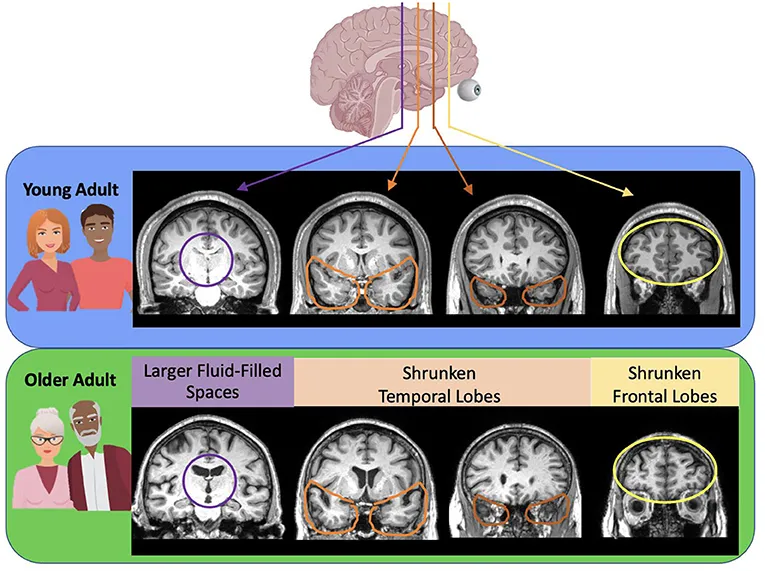
Research published in leading audiology journals has consistently demonstrated that early adoption of hearing aids — rather than waiting until loss becomes severe — produces better long-term outcomes for both auditory function and cognitive health. The brain's auditory processing centers benefit from consistent stimulation; prolonged auditory deprivation can accelerate the neural reorganization associated with cognitive decline.
What to do in your 50s and 60s:
- If a hearing evaluation reveals loss in the range that warrants amplification, take that recommendation seriously. Waiting does not preserve anything — it typically accelerates deterioration.
- Discuss your hearing health with family members. Social support plays a meaningful role in treatment adherence and overall wellness outcomes.
- Explore the full range of modern hearing aid options, including over-the-counter devices for mild to moderate loss approved under the FDA's 2022 guidelines. The technology available today is dramatically more capable and discreet than devices from even a decade ago.
Your 70s and Beyond: Maintaining Quality of Life
For older adults, untreated hearing loss is strongly associated with social isolation, depression, falls, and accelerated cognitive decline. Conversely, well-fitted hearing technology has been shown to improve quality of life, social engagement, and cognitive performance in this population. Maintaining hearing health in later decades is not a cosmetic concern — it is a medical and quality-of-life imperative.
Regular audiological follow-up, proper device maintenance, and open communication with healthcare providers about any changes in hearing function are the pillars of effective auditory health management at this stage.
The Through Line: Hearing Health Is a Lifelong Commitment
What unites every decade of hearing health is the principle that small, consistent actions compound over time — in both directions. Decades of unprotected noise exposure accumulate into measurable loss. Decades of attentive protection, regular monitoring, and timely intervention accumulate into preserved function and richer engagement with the world around you.
The ears you have at seventy are largely a product of the choices made at twenty-five, thirty-five, and forty-five. At Ear Machine, we believe that knowledge is the most powerful hearing technology of all — and that a clearer world begins with understanding how to protect access to it.