What Untreated Hearing Loss Is Actually Costing You at Work

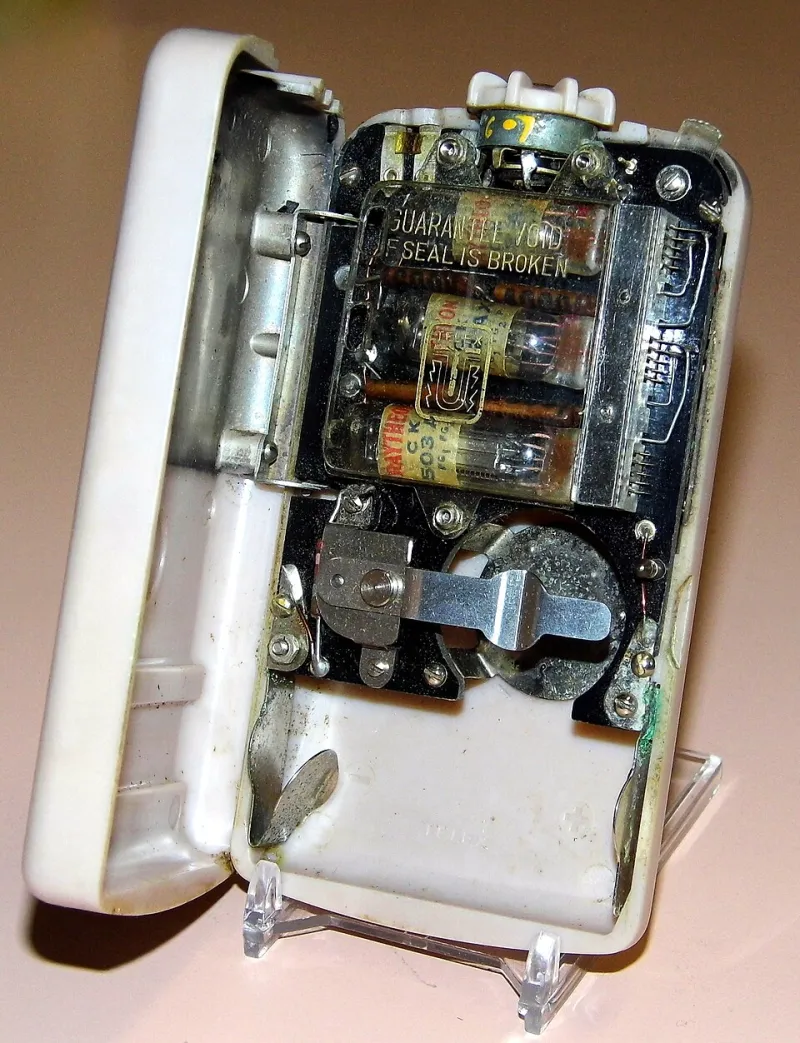
Photo: Internet Archive Book Images, No restrictions, via Wikimedia Commons
There is a particular kind of exhaustion that comes from spending an entire workday straining to follow conversations. It is the fatigue of nodding along in meetings you only half-understood, of asking colleagues to repeat themselves until the requests feel embarrassing, of replying to emails with vague language because you missed key details during a phone call. For millions of Americans, this is not an occasional bad day—it is the baseline.
According to the Better Hearing Institute, untreated hearing loss is associated with reduced household income of up to $30,000 annually compared to individuals with normal hearing. That figure alone warrants serious attention. But the financial picture is considerably more complex than a single income statistic suggests.
The Productivity Penalty No One Talks About
Workplace productivity studies have consistently found that employees with untreated hearing loss experience higher rates of fatigue, reduced concentration, and elevated stress compared to peers who have addressed their auditory health. The listening effort required to compensate for hearing deficits—a phenomenon audiologists refer to as cognitive load—draws on mental resources that would otherwise fuel analytical thinking, creativity, and decision-making.
A 2021 analysis from the Hearing Loss Association of America found that hearing loss affects approximately 48 million Americans, with a disproportionate number of those individuals in the prime working years of 45 to 65. Many of them are in senior roles, managing teams, leading client relationships, and navigating complex organizational dynamics—all of which depend heavily on clear, confident communication.
When auditory input is degraded, the consequences extend beyond individual performance. Team dynamics suffer when a manager frequently misinterprets instructions or misses conversational nuance. Client relationships erode when a sales professional cannot track the full arc of a negotiation. The ripple effects are professional and financial simultaneously.
Promotions, Confidence, and the Perception Problem
Career advancement in most industries is not purely a function of technical competence. Visibility, communication confidence, and interpersonal presence all factor into how professionals are evaluated for leadership opportunities. Hearing loss can quietly undermine all three.
Consider what happens in a high-stakes meeting when an employee avoids contributing because they are not entirely certain what was just said. Or when a professional declines to pursue a client-facing role because the acoustic environment of restaurant lunches and noisy conference rooms feels unmanageable. These are not hypothetical scenarios—they are patterns that audiologists hear regularly from patients who delayed treatment.
Mark T., a 52-year-old financial analyst in Chicago, described the turning point that led him to seek an audiological evaluation: "I had been passed over for a senior director position twice. I told myself it was politics, but looking back, I had been withdrawing from conversations I should have been leading. I wasn't contributing in rooms where I needed to be heard."
After receiving properly fitted hearing aids, Mark reported a measurable shift—not just in communication clarity, but in his willingness to engage. Within eighteen months, he had accepted a promotion he had previously considered beyond reach.
His experience is consistent with data from a study published in The Hearing Journal, which found that hearing aid users reported significant improvements in workplace relationships, job performance, and overall professional confidence compared to their pre-treatment baseline.
The Real Cost of Waiting
One of the most persistent myths about hearing loss is that it is a condition best addressed later—when it becomes severe enough to be undeniable. The reality is that each year of delay compounds both the auditory and the economic consequences.
From a purely financial standpoint, the math is straightforward. If untreated hearing loss suppresses earning potential by even a fraction of the figures cited in population-level research, the cumulative cost over a decade of a career can dwarf the investment required for quality hearing technology. Modern hearing aids—particularly devices that incorporate adaptive directional microphones, Bluetooth connectivity, and AI-driven noise reduction—are designed specifically to perform in the kinds of complex acoustic environments that professional life demands.
At Ear Machine, we recognize that the decision to address hearing loss is rarely made on the basis of statistics alone. It is made when the gap between the professional you are capable of being and the one you feel you are becoming becomes impossible to ignore.
Disclosing Hearing Concerns to Your Employer
For many professionals, the question of whether and how to discuss hearing loss with an employer is a source of significant anxiety. The Americans with Disabilities Act (ADA) provides important protections: employers with 15 or more employees are required to provide reasonable accommodations for employees with hearing loss, which can include assistive listening devices, captioning services, or modified communication protocols.
Disclosure is a personal decision, but there are practical frameworks that can make the conversation more productive:
- Frame it as a performance tool. Rather than presenting hearing loss as a limitation, consider framing the accommodation request around optimizing your effectiveness. Requesting a seat closer to the front of a conference room or asking for meeting agendas in advance are low-friction adjustments.
- Be specific about what helps. Vague disclosures often result in vague responses. If you know that one-on-one conversations are easier than group settings, or that written follow-ups improve your accuracy, say so.
- Know your rights. The Job Accommodation Network (JAN) offers free, confidential guidance for employees navigating workplace accommodation requests under the ADA.
Investing in Your Auditory Health Is Investing in Your Career
The professionals who thrive after addressing their hearing loss share a common realization: the energy they had been spending on compensating for auditory gaps was energy that could be redirected toward the work itself. Meetings become productive rather than stressful. Phone calls become efficient rather than anxiety-inducing. The workplace, in short, becomes navigable again.
Hearing health is not a peripheral wellness concern. It is a core professional asset—one that modern technology has made more accessible and more effective than at any previous point in history. If you have been quietly absorbing the costs of untreated hearing loss in your career, the most financially sound decision you can make may begin with a single audiological evaluation.