The $249 Question: Can a Consumer Earbud Really Substitute for Auditory Care?
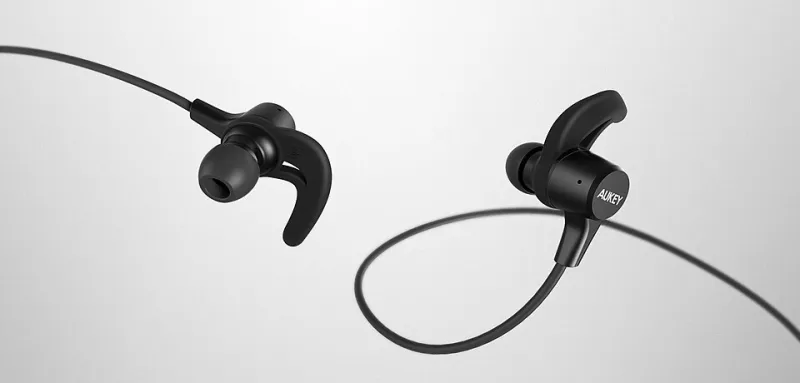
Photo: Guolinqiqi, CC BY-SA 4.0, via Wikimedia Commons
For decades, the path to better hearing ran through one door: an audiologist's office. Today, that path has an alternate route — one that starts at a checkout screen and ends with earbuds that promise to test your hearing, amplify conversations, and tune themselves to your ears. For many Americans, the question is no longer whether consumer devices can play a role in hearing health, but how large that role should be.
What Modern Earbuds Can Actually Do
The capabilities are real, and they should not be dismissed. Leading wireless earbuds now include clinically validated hearing tests administered through a smartphone, self-fitting amplification profiles, and microphones that can boost nearby voices in a noisy environment. For a person with mild hearing difficulty — someone who simply turns the television up a notch higher than their spouse prefers — these features can meaningfully improve daily life at a fraction of the cost of prescription hearing aids.
Regulatory changes have widened this doorway. The FDA's over-the-counter hearing aid category, established in 2022, created a legitimate marketplace for self-fitted devices intended for adults with perceived mild to moderate hearing loss. Some premium earbuds now operate within or alongside this framework, blurring the line between a consumer gadget and a hearing device.
Where the Distinction Still Matters
Yet a hearing test delivered through an earbud is not the same as a comprehensive audiological evaluation. A clinical exam measures thresholds across frequencies, assesses speech discrimination, examines the physical health of the ear canal and eardrum, and screens for conditions — such as sudden sensorineural hearing loss, acoustic neuroma, or treatable blockages — that no software algorithm can detect.
There are specific warning signs that consumer devices are not designed to address:
- Sudden hearing loss or hearing loss in only one ear
- Dizziness, ringing that appears abruptly, or ear pain and drainage
- Hearing loss that progresses noticeably over weeks or months
- Difficulty understanding speech even when sound is loud enough
Any of these warrants a medical appointment, not an app-based screen.
The Fitting Gap
Prescription hearing aids are programmed by a professional who verifies output in your ear canal — a process called real-ear measurement — and adjusts devices based on your actual listening environments, lifestyle, and feedback over time. Consumer earbuds rely on self-reported tests and automated profiles. That works reasonably well for straightforward, mild loss. It works far less well for steeply sloping loss, severe loss, or the complex listening demands of restaurants, workplaces, and family gatherings.
There is also the matter of ongoing care. Hearing aids typically come with follow-up visits, cleaning, repairs, and adjustments across years of use. An earbud purchase ends when the box is opened.
A Practical Framework for Choosing
Consider a consumer hearable or OTC device if you experience mild difficulty, mostly in specific situations like restaurants or video calls, and you have no red-flag symptoms. They are a low-risk, low-cost way to test whether amplification helps at all — and research suggests many people who would benefit from hearing aids delay for years, so any accessible entry point has value.
Schedule an audiological evaluation instead if your hearing difficulty affects conversations regularly, if loved ones have raised concerns, if one ear seems worse than the other, or if you have any of the medical warning signs listed above. An evaluation costs little, often nothing with insurance, and establishes a baseline you can track for the rest of your life.
And remember that the two paths are not mutually exclusive. Many audiologists now work with patients who arrive wearing earbuds, using the clinical data to guide a transition to prescription devices when self-fitting proves insufficient.
The Bottom Line
Consumer earbuds have earned a genuine place in America's hearing health landscape. They lower the barrier to entry, reduce stigma, and serve millions with mild needs. But they are amplification tools, not a substitute for medical care. If your ears are asking a bigger question than an app can answer, the audiologist's door is still the one worth walking through.